
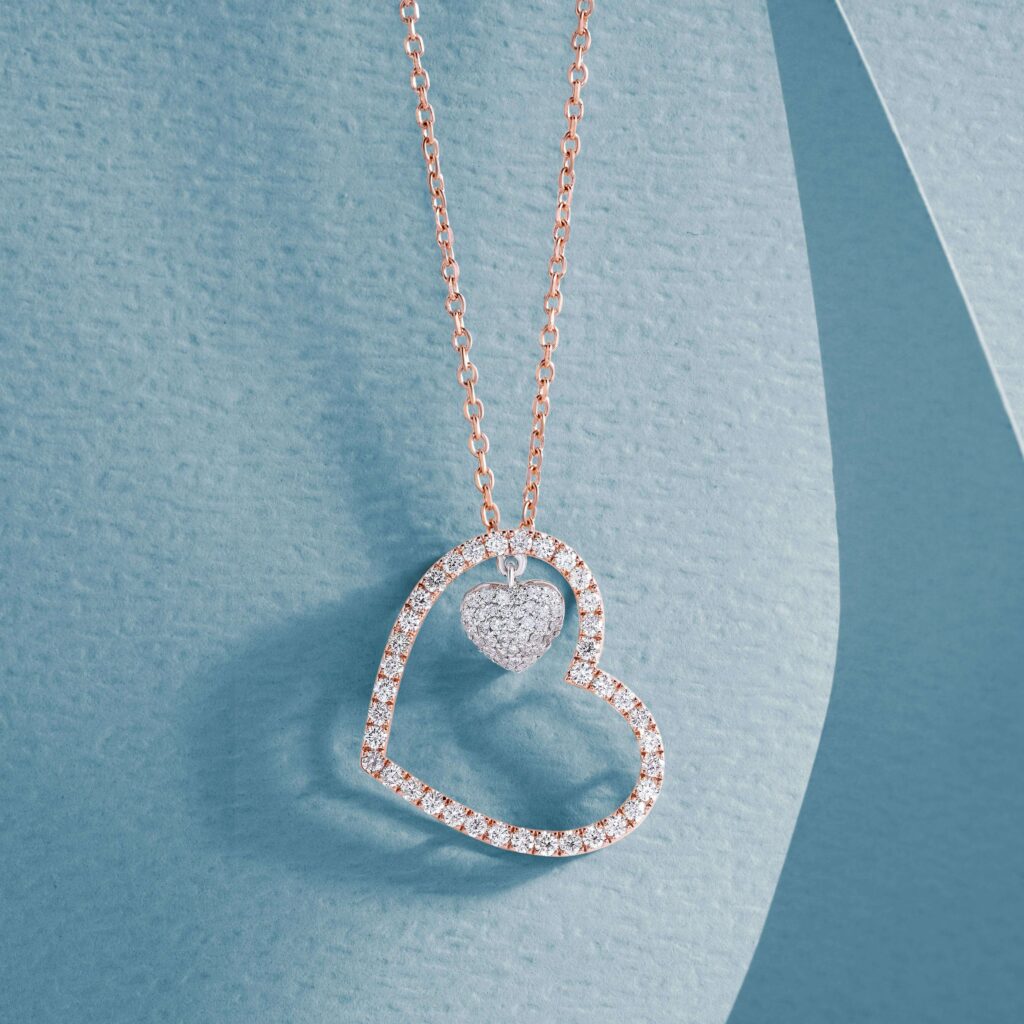
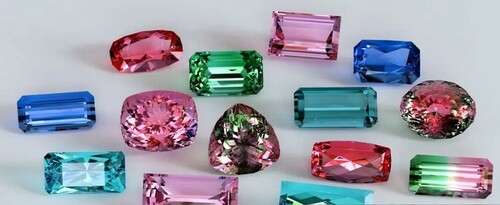
Imagine a stone that seems to have captured all the colors of the rainbow – from blazing pink to electric blue, from deep green to deep black.
Tourmaline is not just a stone – it is a group of minerals with a complex chemical composition. Its name comes from the Sinhala word toramalli, which means "mixed gems" - a name that reflects the confusion of ancient traders, unable to distinguish tourmaline from other colored stones. In the 17th and 18th centuries, the Dutch East India Company imported brightly colored tourmalines from Ceylon (present-day Sri Lanka) to Europe, where they caused a real sensation among collectors of rare finds.
Interesting fact: Tourmaline is often confused with other gemstones. Even 17th-century Russian royal jewelry, thought to be rubies, later turned out to be pink tourmalines.
The stone that holds the rainbow
Tourmaline is known for having the widest color palette of all gemstones. It can be found in all shades – from colorless to black, passing through pink, red, blue, green, yellow and even multi-colored combinations. This extraordinary range is due to the different chemical elements that are incorporated into its crystal structure during its formation. For example, manganese gives pink and red tones, iron and titanium – green and blue, and chromium creates a deep green color similar to emerald.
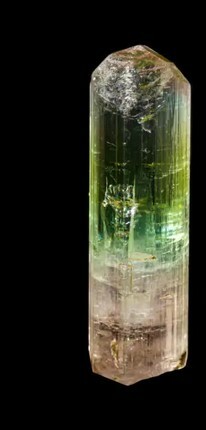
One of the most fascinating characteristics of tourmaline is its ability to form two- or three-colored crystals, known as bicolor or tricolor tourmalines. For example, the famous watermelon (watermelon) tourmalines have a green “rind” on the outside and a pink “core” on the inside, resembling a slice of watermelon. These natural works of art are particularly prized by jewelry designers as they offer unique visual effects.
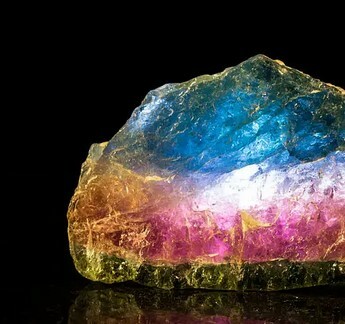
Another curious fact is the property of tourmaline called pleochroism. This means that the stone changes color depending on the angle at which it is viewed. If you look at a tourmaline from different directions, you may see two or more shades – for example, blue-green or pink-red. This characteristic makes it extremely attractive to jewelers who want to create dynamic and vibrant designs.
Unique Properties: Nature's Electricity
One of its most unusual properties is pyroelectricity – its ability to generate an electric charge when heated or cooled. In the 18th century, Dutch merchants noticed that when tourmaline was heated by the sun, it attracted and then repelled light particles such as ash or dust. That is why they called it “Ceylonese Magnet" or "ashentreker" (attracting ash"). This property was so impressive that children in Holland played with the stones, watching them "come to life" under the sun's rays. In addition, tourmaline has piezoelectricity – generates charge under mechanical pressure.
From the imperial court to modern fashion
Tourmaline has a rich history that links it to royalty and cultural traditions. During the late 19th and early 20th centuries, the Chinese Empress Dowager Cixi, the last ruler of the Qing Dynasty, was so captivated by pink tourmaline that she purchased vast quantities from the newly discovered Himalaya Mine in San Diego, California. She had the stones carved into intricate figurines, buttons for clothing, and even set into tobacco boxes. After her death in 1908, her body was laid to rest on tourmaline pillow, symbolizing her eternal love for this stone.
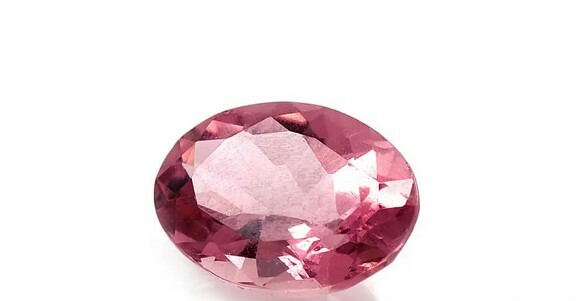
In the United States, tourmaline also has a long history. The first documented deposit was discovered in 1822 at Mount Mica, Maine, making it the first gemstone mined in the country by a non-Native population. The mine produces impressive crystals in pinkish-red and mint green, with the largest crystal discovered weighing 14.3 kg and measures 39.4 x 17.8 cm. The largest polished stone from Mount Mica is a flawless blue-green tourmaline weighing 256 carats.
Paraiba: The Neon Wonder of Tourmaline
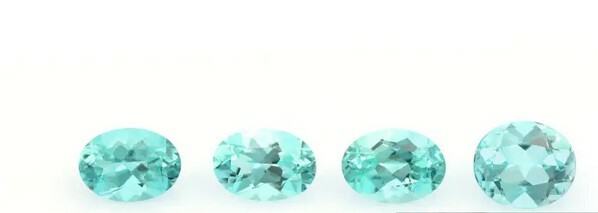
In 1989, miners in the Brazilian state of Paraíba discovered tourmaline, which forever changed the perception of this stone. Paraiba tourmaline, tinted with copper and gold, shimmers in neon blue-green and violet hues that seem almost otherworldly. This rare variety is quickly becoming one of the most expensive tourmalines, with prices reaching thousands of dollars per carat due to its limited occurrence and unique brilliance.
Little-known facts about tourmaline
- Cat's eye: Some tourmalines, especially in green, blue or pink, exhibit a "cat's eye" effect (chatoyancy), caused by thin tubular inclusions in the crystal. This effect is softer than that of chrysoberyl, but makes the stone extremely attractive for necklaces and rings.
- Use in alchemy: In the Middle Ages, alchemists believed that tourmaline was related to the philosopher's stone because of its pyroelectric properties. They considered it magical and used it in rituals to attract energy.
- Tourmaline and Shakespeare: According to some sources, William Shakespeare owned tourmaline, which he used to overcome creative blocks. The stone is believed to stimulate creativity and inspiration.
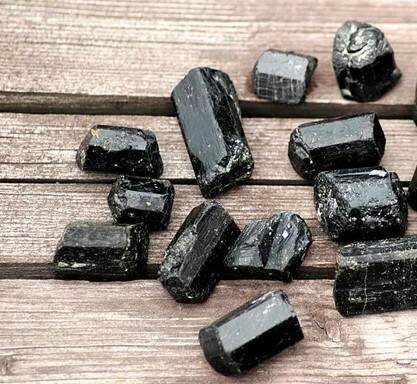
- Natural filter: Black tourmaline (schorl), which makes up about 90% of all tourmalines in nature, is used in water purification systems for its ability to neutralize pollutants.
Tourmaline in Jewelry: Beauty and Durability
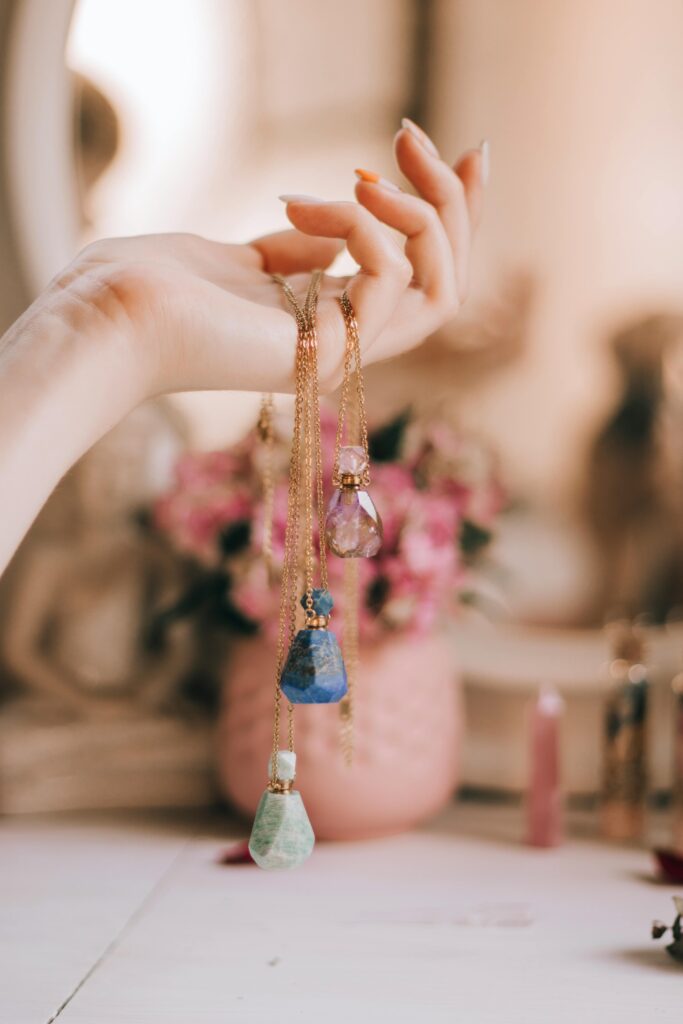
With a hardness of 7-7.5 on the Mohs scale, tourmaline is durable enough for everyday wear in rings, necklaces, and bracelets. Its versatility makes it ideal for all designs, from minimalist pendants to intricate cocktail rings. The most prized colors include electric blue (indicolite), deep green (vermilion) и розово-червено (rubellite), but more affordable earth tones, like olive green, are also gaining popularity.
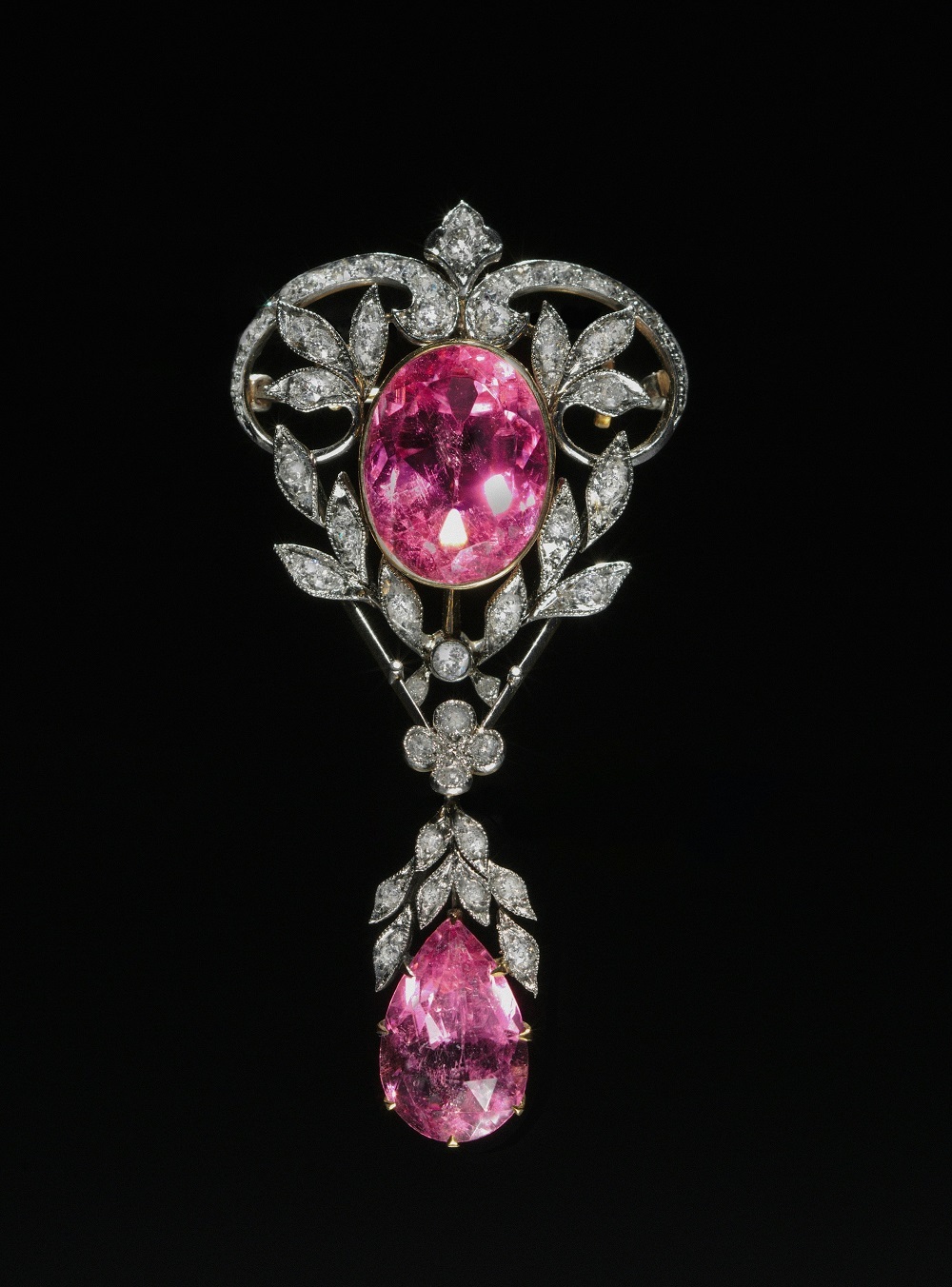
Jewelers often use bicolor tourmalines to create unique pieces that tell a story through their colors. For example, a ring with a bicolor tourmaline from Mozambique might combine blue and pink, symbolizing harmony and balance. Paraiba tourmalines, on the other hand, are reserved for luxury jewelry, often combined with diamonds for maximum effect, like our tourmaline ring and diamonds.
Why choose tourmaline?
Tourmaline is more than just a gemstone – it is a natural phenomenon that combines beauty, science and history. Whether you are attracted by its bright colors, mystical properties or unique physical characteristics, tourmaline offers something for everyone – its versatility makes it suitable for anyone looking for a piece of jewelry with character. And if you want a special piece of jewelry made with tourmaline – do not hesitate and come to our store in city of Varna, 47 Prince Boris I Blvd.We will realize your every idea!