
Silver is a precious metal that possesses unique properties and a rich history associated with human civilization. From ancient times to the present day, this shiny metal has played an important role in various aspects of life – from medicine to jewelry. In this article, we will look at interesting facts about silver and delve into its uses throughout the centuries.
Interesting facts about silver
Silver is known for its remarkable physical and chemical properties. It is the best conductor of electricity of all metals, making it extremely valuable in electronics and engineering. In addition, silver has a high reflectivity and is often used in mirrors and solar panels.
Another interesting fact about silver is its antimicrobial activity. Even in ancient times, people noticed that water stored in silver vessels remained fresh for a longer time. This antimicrobial activity is due to silver ions, which can destroy the cell membranes of bacteria and viruses. This property of silver makes it a valuable material in medicine.
Silver is also a very malleable and ductile metal, meaning it can be drawn into thin threads or rolled into thin sheets without breaking. This makes it ideal for use in a variety of industries, including electronics, photography, and, of course, jewelry.
Silver in antiquity
The history of silver dates back to ancient times. The first known finds of silver date back to around 3000 BC in Anatolia (present-day Turkey). In ancient civilizations such as Egypt, Mesopotamia, and China, silver was highly valued for its beauty and rarity. The ancient Egyptians used it to make jewelry and religious artifacts, and also associated it with the moon and the goddess Isis.
In ancient Greece and Rome, silver played an important role in the economy and trade. The Greek historian Herodotus describes silver mining in Lavrion, south of Athens, which was a major source of income for the ancient Greek state. The Romans, in turn, used silver to make coins, vessels, and jewelry.
In ancient Rome, silver was a major component of currency. The Roman denarius, which was the empire's primary silver coin, was widely used and circulated throughout the empire. This contributed to the stability and development of the Roman economy.
Silver in the Middle Ages
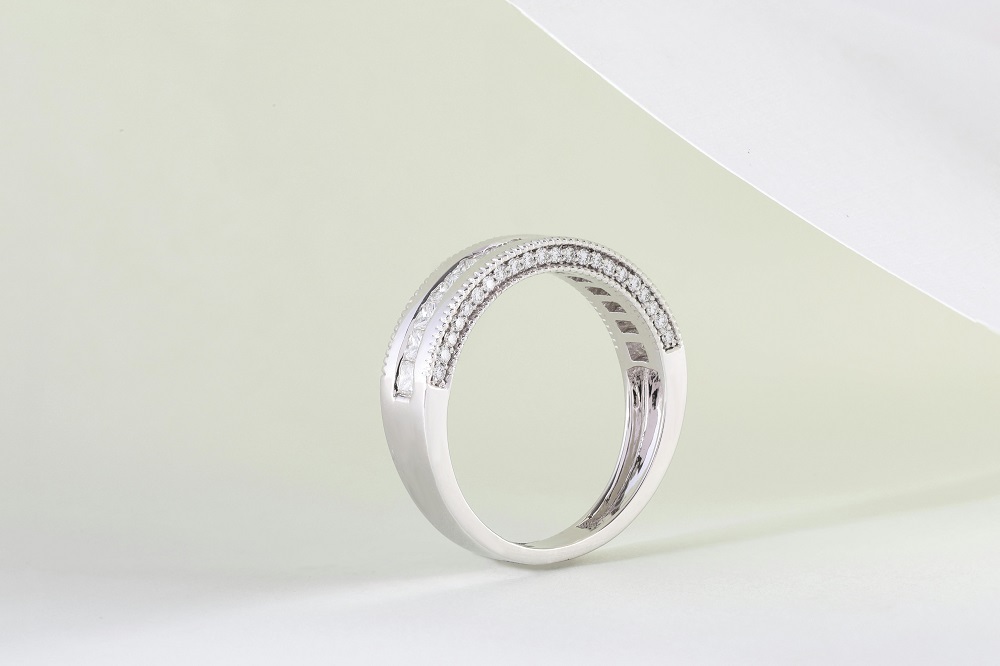
Silver continued to be highly valued and widely used throughout the Middle Ages. In Europe, silver mining increased significantly, especially in Germany and the Czech Republic. Silver from these mines was used to make coins, which played a key role in the development of the medieval economy.
Silver also found use in religious objects and jewelry. Medieval goldsmiths created exquisite works of art by using silver to make crosses, chalices, and reliquaries. These objects not only had religious significance, but also demonstrated the wealth and power of their owners.
In medieval Europe, silver played an important role in the development of trade and the economy. Silver coins were the main means of payment and facilitated trade between different regions. One of the most important trade routes of the Middle Ages, the Silver Road, connected Central Europe with Scandinavia and Eastern Europe, contributing to the economic growth of the region.
Silver in medicine
Silver has a long history of use in medicine, thanks to its antimicrobial properties. In ancient times, people used silver vessels to store water to prevent the growth of bacteria. In the Middle Ages, silver threads were used to stitch wounds, which helped prevent infections.
In the 19th century, with the discovery of microbes, scientists began to use silver more purposefully in medicine. Silver nitrates were used to treat wounds and burns, and silver salts were used to treat eye infections. As medicine advanced, silver also found applications in modern medicine. Today, silver nanoparticles are used in wound dressings, catheters, and medical instruments to prevent infections.
One of the most important applications of silver in medicine is in antiseptic dressings. These dressings contain silver ions, which prevent the growth of bacteria and help wounds heal faster. Silver nanoparticles also find application in the manufacture of medical devices, such as catheters and surgical instruments, where their antimicrobial activity is crucial.
Silver in jewelry
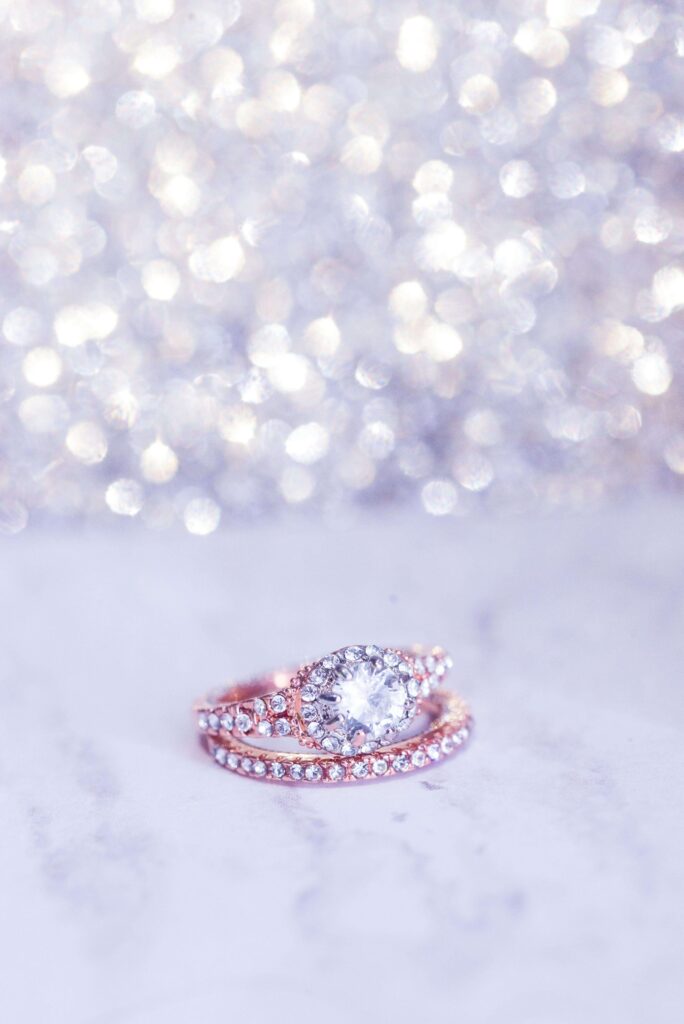
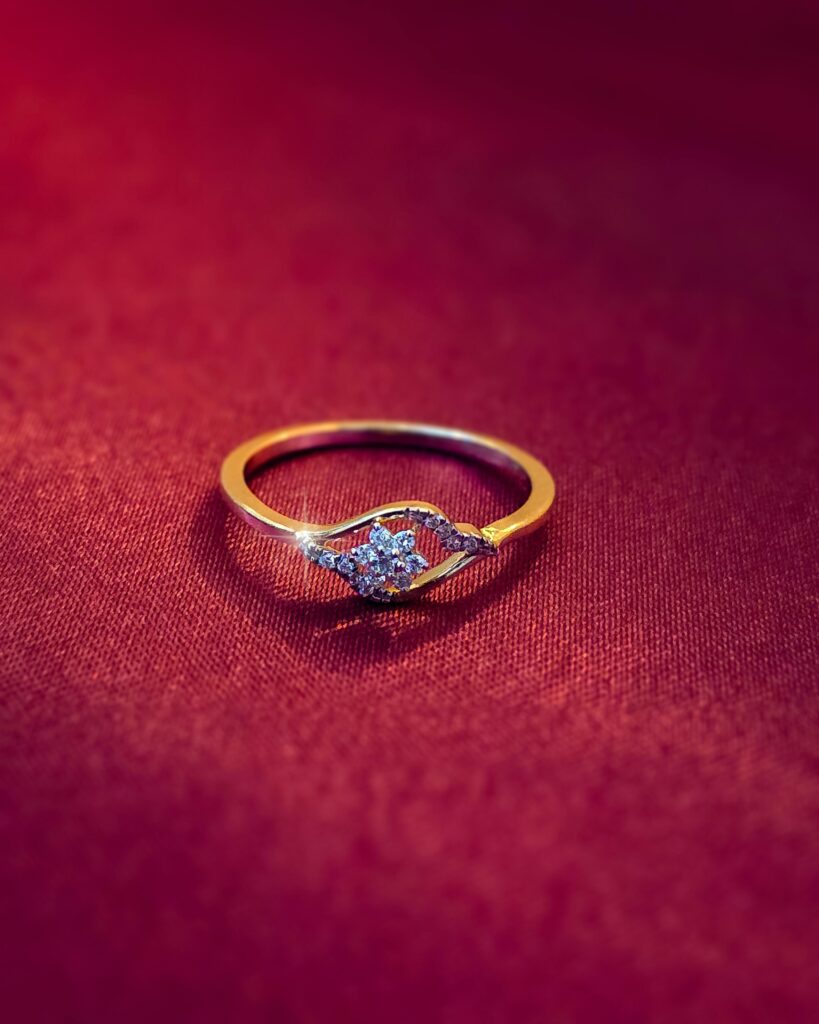
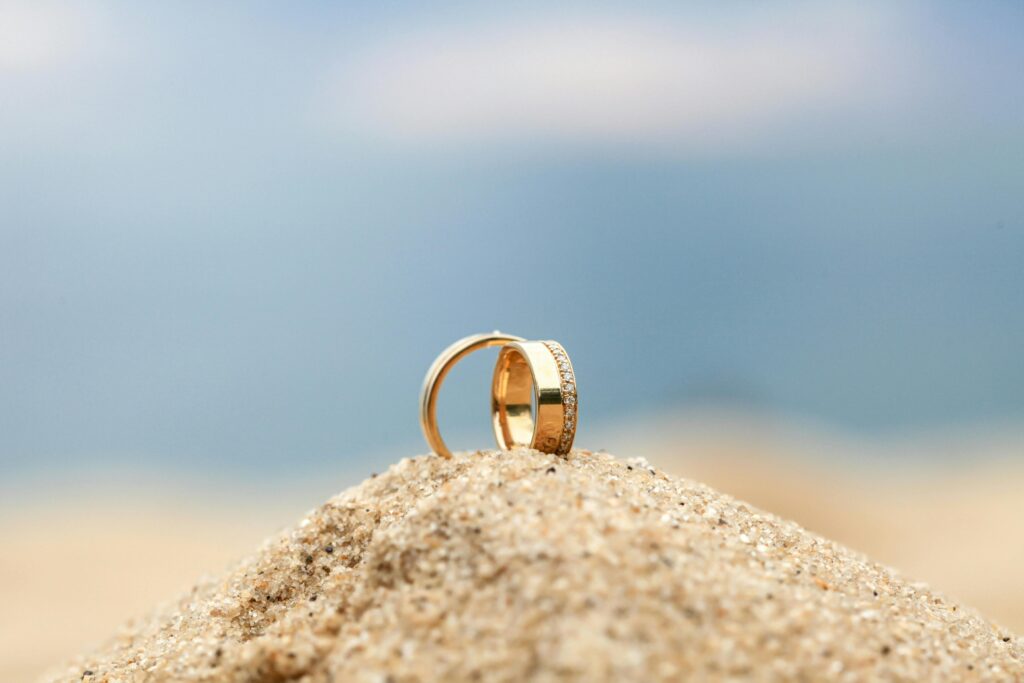
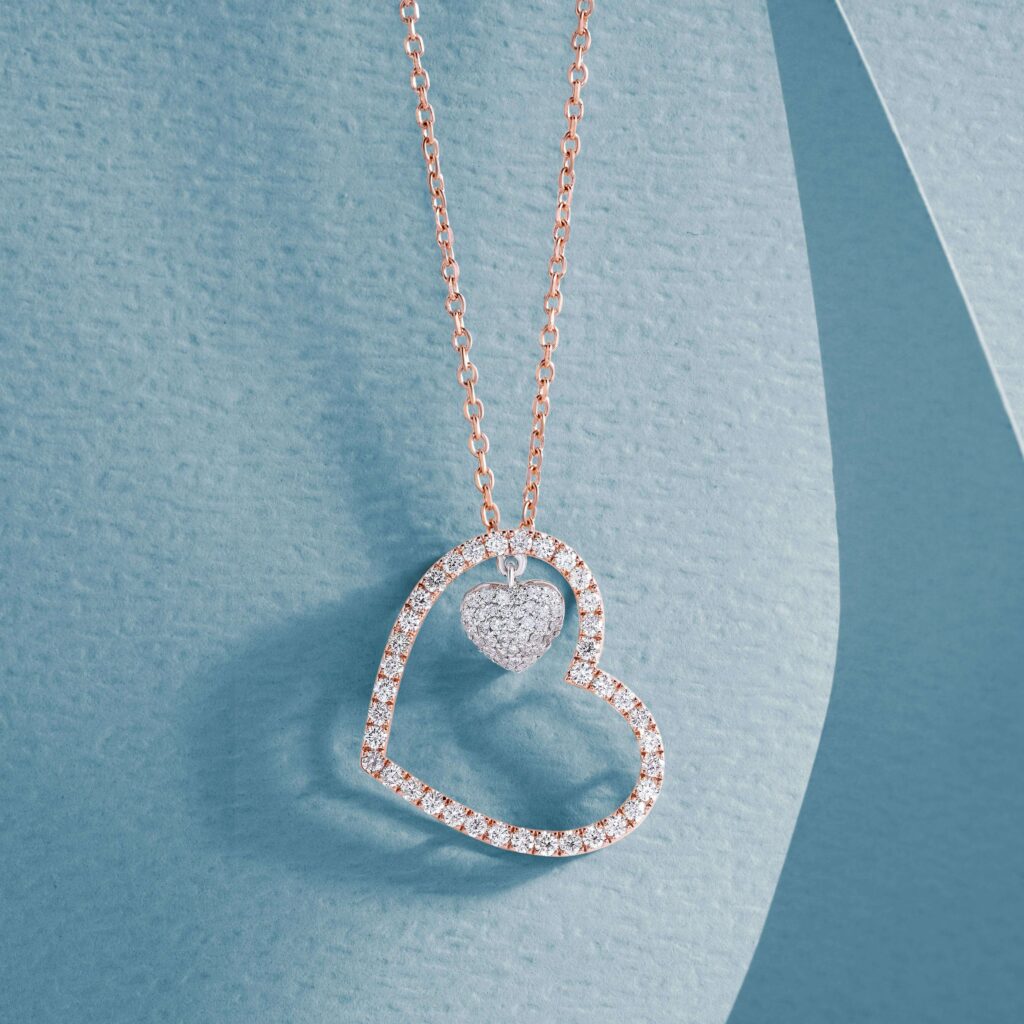
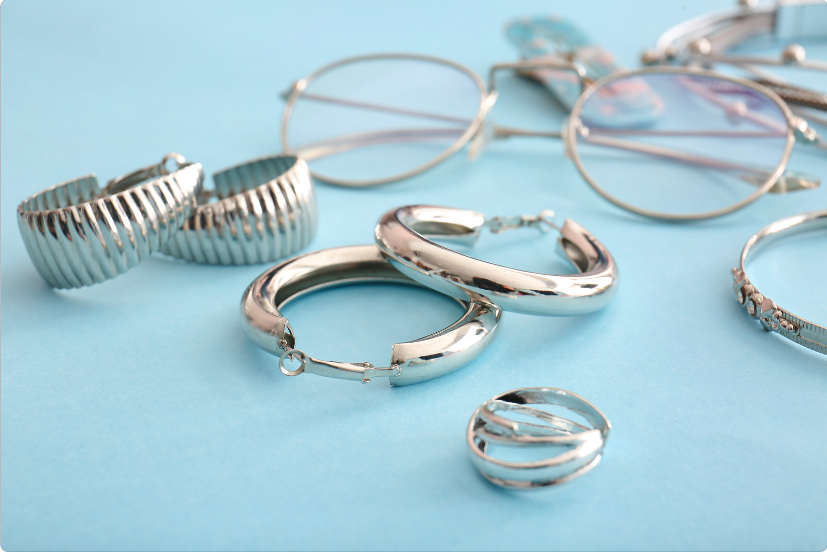
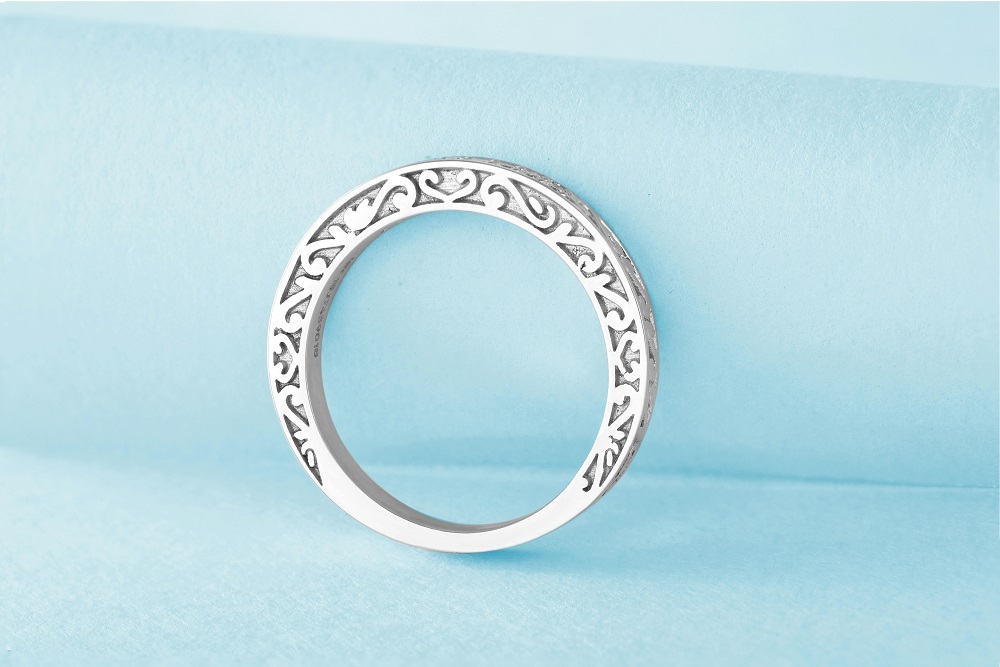
Silver has always been a preferred material in jewelry because of its beauty and malleability. In ancient and medieval times, master goldsmiths created exquisite silver jewelry that adorned royalty and wealthy merchants. Silver jewelry symbolized the status and wealth of its owners.
Today, silver continues to be a popular material in jewelry. Modern designers such as those from luxury jewelry "Aristo" Silver is used to create a variety of styles and designs of jewelry, from classic to modern. Silver is also preferred for its affordability compared to other precious metals such as gold and platinum.
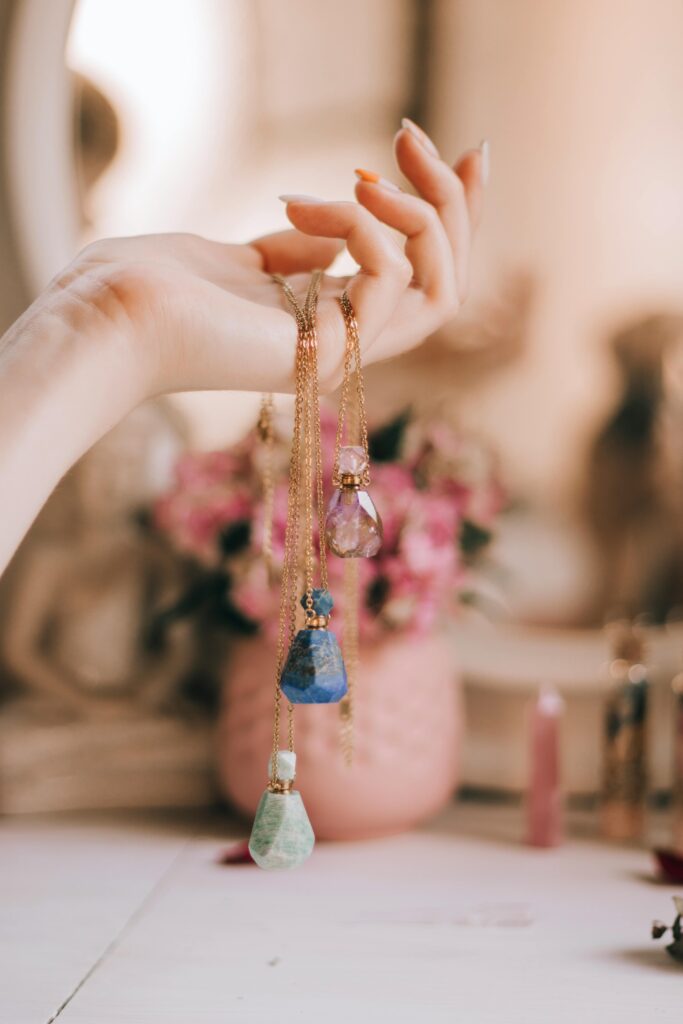
One of the most interesting aspects of silver in jewelry is its ability to combine with other materials. Silver jewelry is often inlaid with precious and semi-precious stones, which adds additional beauty and uniqueness to the jewelry. In addition, silver can oxidize, which gives the jewelry an antique look and a special patina.
Silver in photography
One of the interesting and lesser-known uses of silver is in photography. Silver halides, such as silver bromide, were the main component of photographic film and photographic paper. When light hits the silver halide, it undergoes a chemical reaction that creates an image. This process was the basis of black-and-white photography for over a hundred years.
Although digital photography has largely replaced traditional film photography today, silver halides are still used in specialized fields such as astronomical photography and in photo archiving. Silver images are extremely durable and can retain their quality for hundreds of years, making them ideal for long-term storage.
Silver in industry
Silver is widely used in various industries due to its unique properties. In electronics, silver is used to make electrical contacts, wires, and batteries. Its high electrical conductivity makes it an ideal material for these applications.
In the solar industry, silver is a key component in the production of photovoltaic cells. These cells convert solar energy into electricity, and silver plays a crucial role in the efficiency of this process. Solar panels that contain silver are some of the most efficient and sustainable on the market.
Silver as an investment
Silver has always been a valuable asset and store of value. In times of economic uncertainty, investors often turn to silver as a safe haven. Silver coins and bars are popular investment vehicles that provide protection against inflation and currency depreciation.
Additionally, silver ETFs (exchange-traded funds) and futures contracts provide opportunities to invest in silver without the need to physically own the metal. These financial instruments allow investors to benefit from silver price movements and diversify their portfolios.
Conclusion
Silver is a metal with a long and varied history. Its unique properties and diverse applications have made it an important and valuable material throughout the ages. From ancient and medieval times to modern medicine and jewelry, silver continues to play a significant role in people's lives. Interesting facts about silver and its uses in various fields show how important this metal has been to human civilization. Whether it is ancient coins, medical instruments or beautiful jewelry, silver has always been a symbol of value and elegance.