

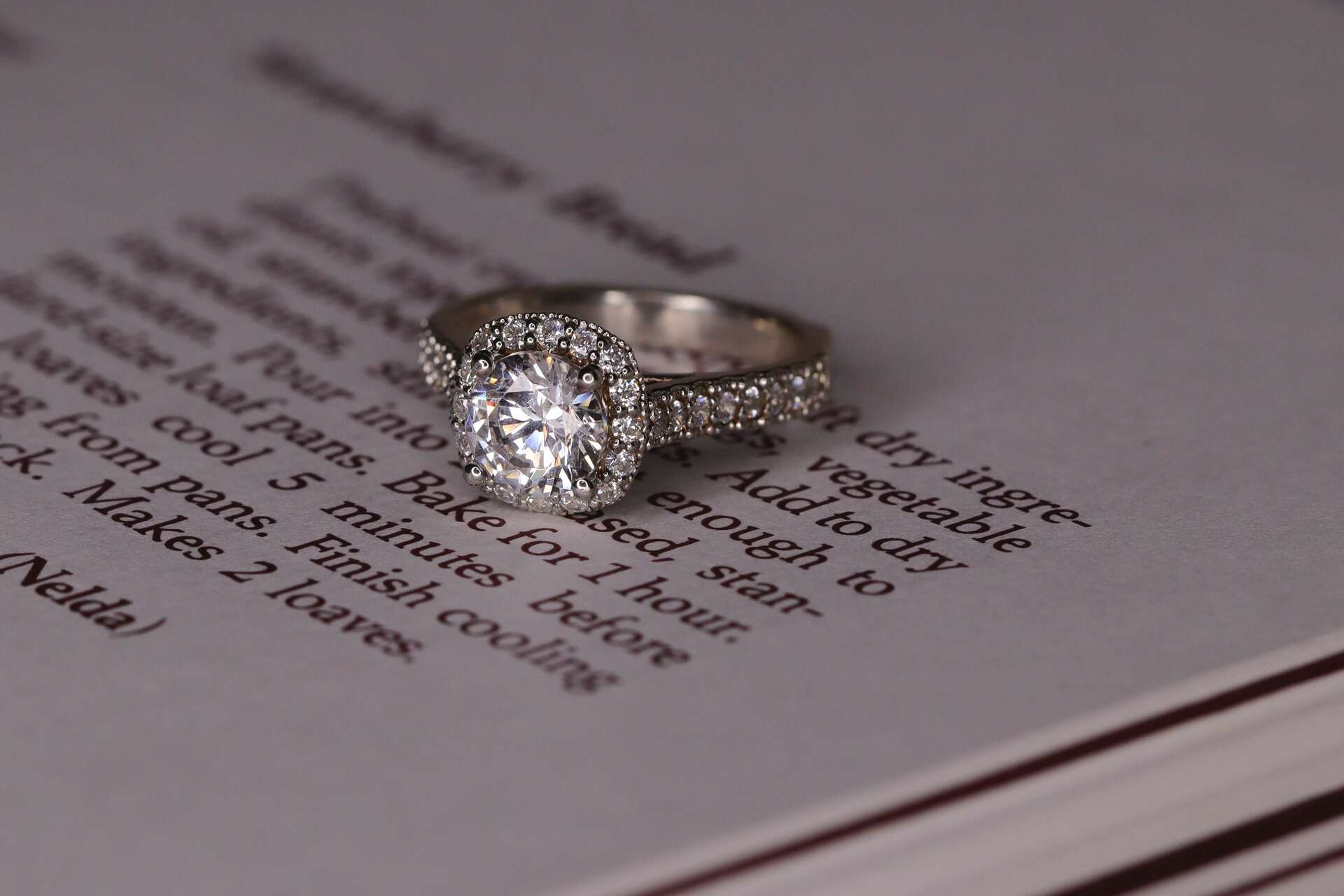
We all know a few things about diamonds. They are a woman's best friend, they are extracted from nature, and each diamond is unique in its own right. But there are actually many characteristics of diamonds that determine their quality and, accordingly, their price.
Today we will answer some of the most frequently asked questions about diamonds.
How are diamonds created?
Diamonds are 58 times stronger than all other materials in the world.
Many people believe that diamonds are formed from the metamorphosis of coal. In fact, coal played almost no role in the formation of diamonds. Most diamonds that have been found are much older than the first land plants on Earth – the source material of coal. This alone should be enough evidence to rule out the idea that diamond deposits on Earth formed from coal.
The formation of diamonds naturally occurs at extremely high temperatures and pressures. Such conditions are only found in limited areas of the Earth's mantle, about 150 km below the surface, where the temperature is at least 1050ºC. Suitable temperatures and pressures for the formation of diamonds are found mainly in the mantle under the continental plates. The truth is that diamonds are 100 percent carbon, which under certain conditions turns into diamond.
How is the quality of diamonds determined?
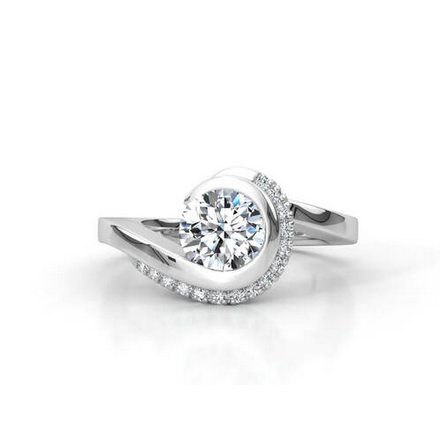
Specialists use the diamond grading system created and patented by the GIA (Geological Institute of America) in 1950, which established the use of four important factors for describing and classifying diamonds, called the 4 C's: Clarity, Color, Cut, and Carat.
The purity (Clarity)
Few things in nature are absolutely perfect. This is true for diamonds as much as for everything else. Diamonds have internal imperfections, called inclusions, and surface irregularities, called blemishes. Together, these are called clarity characteristics. Clarity is the relative absence of inclusions and flaws. The fewer inclusions and blemishes a diamond has, the higher its price, and vice versa.
Color (Color)
Two diamonds of the same clarity, weight, and cut can differ in value simply because of differences in color. Even the slightest shade of color can make a drastic difference in value. Diamonds come in many colors. Those that range from colorless to light yellow and brown fall within the normal color range. Within this range, colorless diamonds are the rarest, so they are the most valuable. They set the standard for grading and pricing other diamonds in the normal color range. The quality of a diamond is determined according to the GIA Diamond Color Chart - different colors are designated by different letters.
Diamonds rated D, E, or F are the most expensive because they are colorless. Diamonds rated G, H, I, and J are nearly colorless and again very valuable. Diamonds between K and Z on the scale range from very light to dark yellow and almost brown in color. They are less expensive, but their quality is also lower and they do not have as high an investment value.
Form (Cut)
In nature, diamonds look completely different. They take on the familiar appearance we all know after being processed and cut into a specific shape.
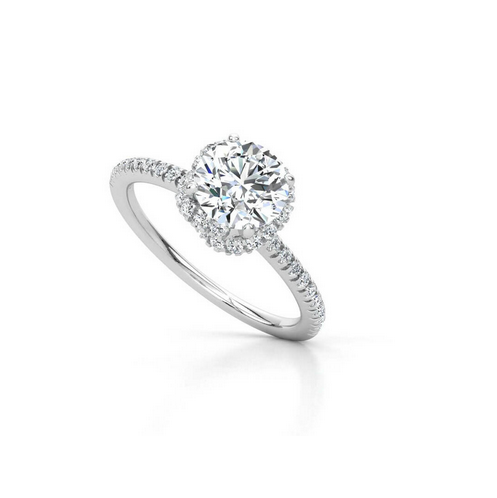
We often associate the cut of a diamond with its shape (round, pear-shaped, rectangular, etc.), but the grade of a diamond's cut is actually related to how well the facets of the diamond interact with light.
In this image, there are 3 round diamonds. What distinguishes them is the number and arrangement of the facets (cuts inside the stone). It is the facets that play a decisive role in how sparkling the diamond will be, because thanks to their arrangement, more or less light is refracted. Diamonds of different proportions and well polished refract light and are bright, colorful and brilliant.
Here are the most common shapes in which diamonds are cut for use in jewelry.
Carats (Carat)
Carats are the unit of measurement for diamond weight. Diamonds are weighed with extreme precision. One carat is two-tenths (0.2) of a gram. To put that in perspective, a small paperclip weighs about a carat. The metric carat is divided into 100 points. One point is one-hundredth of a carat. Diamonds are weighed to the nearest thousandth (0.001) of a carat and then rounded to the nearest hundredth or point. Even a difference of a hundredth of a carat can mean a price difference of hundreds—even thousands—of dollars, depending on the quality of the diamonds. The relationship between a stone’s rarity, weight, and value can be surprising. People know that a pound of sugar costs twice as much as a pound of sugar. But diamonds are not a commodity like sugar. Their price depends on a number of variables—weight being just one of them.
In conclusion, the price of a diamond depends on its clarity, color, shape, and carat weight. Even small changes in one of the components can significantly change the final price. Most diamonds are sold with a certificate of authenticity - this certificate records the characteristics of the diamond, against which the price is determined. Jewelers can determine the color, clarity, and shape of a diamond by looking at it through a magnifying glass. However, to find out how many carats it is, special devices are used.
We hope that this article has given you a little more information about diamonds, their characteristics and pricing. If you have any further questions, do not hesitate to write to us in our Facebook page, ask our consultants in the store or goldsmiths in the workshop. We will be happy to help you!
If you want to please your sweetheart with a diamond, check out our collection of diamond jewelry.